Premium Korean Skincare and Beauty Products in Bangladesh
-
5/1,South Banasree Dhaka
 Log in
All Categories
5/1,South Banasree Dhaka
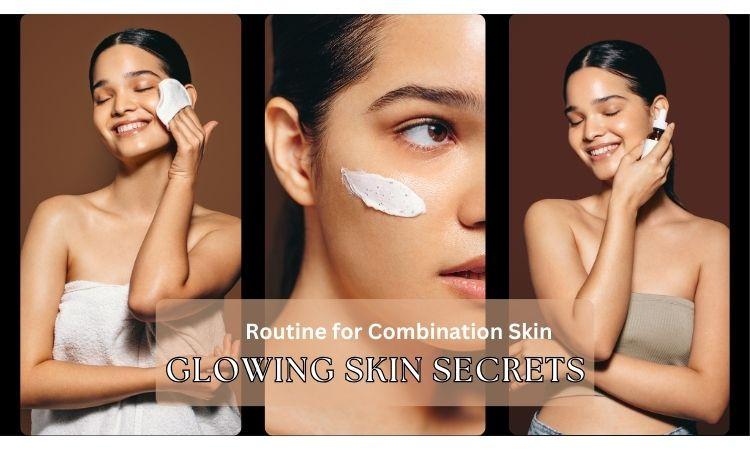
Combination skin is one of the most common skin types, but managing it doesn’t have to be complicated. With the right mix of products that control oil while also providing hydration, you can keep your skin balanced and healthy. Keep reading for our top tips on how to care for combination skin.
Balancing the needs of combination skin can be tricky, but with the right approach, achieving flawless, glowing skin is possible. Combination skin is often a blend of oily and dry areas, with the T-zone (forehead, nose, and chin) being oily, and the cheeks or other areas being dry. Crafting a skincare routine for combination skin means addressing both of these concerns without overcompensating in one area while neglecting the other. Whether you’re dealing with shine on your forehead, clogged pores, or dry patches on your cheeks, a tailored skincare routine can help you achieve a harmonious balance. In this guide, we’ll explore essential tips, the best products to use, and how to adjust your skincare routine to keep combination skin happy, hydrated, and healthy.
Combination skin is characterized by areas of dryness and oiliness on the same face. People with this skin type may notice that their T-zone is prone to oil buildup, which can lead to clogged pores and breakouts, while their cheeks and other areas may feel dry or tight.
Common signs of combination skin include:
Tips for Caring for Combination Skin
A balanced skincare routine is essential for combination skin. Here are some tailored recommendations to help you maintain a harmonious complexion:
For combination skin, the goal is balance. You don’t want to over-dry the oily areas, which can lead to an increase in oil production, nor do you want to over-moisturize the dry areas, which can clog pores. A well-rounded skincare routine is essential to keeping combination skin in check. Here are the fundamental steps you need to incorporate into your daily routine.
Cleansing your skin is crucial to remove dirt, oil, and impurities, especially for combination skin where you may be dealing with excess oil in some areas and dryness in others. A good cleanser should clean your skin thoroughly without stripping it of its natural moisture.
Best Cleansers for Combination Skin
Opt for a gentle, sulfate-free cleanser that won’t aggravate any dryness or add too much oil. Look for a cleanser that offers a balance between oil control and hydration.
Gel-based Cleanser: Gel-based cleansers work great for combination skin as they provide a deeper clean in the oilier T-zone while not being too harsh on the dry areas.
Foaming Cleanser: If your skin is more oily than dry, a foaming cleanser can be a great option. It helps to remove excess sebum and leaves your skin feeling fresh.
Cream Cleanser: A cream-based cleanser can be beneficial for people with dry patches, as it hydrates while still cleaning your skin.
Tip: Always cleanse with lukewarm water. Hot water can irritate dry patches, and cold water can leave oiliness behind.
Toning is an essential step that should never be skipped. It helps to restore your skin’s pH balance after cleansing and provides an extra layer of hydration. For combination skin, it’s important to find a toner that can balance the oiliness of your T-zone while hydrating the dry areas.
Best Toners for Combination Skin
Witch Hazel: Great for oily areas, witch hazel helps reduce excess oil and minimizes the appearance of pores.
Rose Water: Hydrates and soothes dry areas without clogging pores, making it perfect for combination skin.
Niacinamide Toner: Niacinamide can help control oil production, reduce redness, and improve skin texture.
Tip: Opt for alcohol-free toners, as alcohol can dry out your skin and lead to irritation, especially in the drier parts of your face.
Exfoliation is important for combination skin because it removes dead skin cells, clears pores, and prevents breakouts. However, exfoliating too often can cause irritation, especially for dry areas.
Best Exfoliants for Combination Skin
Exfoliating should be done 1-2 times a week. Depending on your skin’s needs, you can choose between physical or chemical exfoliants.
Physical Exfoliants: Scrubs with fine granules can help remove dead skin cells in oily areas, but make sure they’re gentle enough not to scratch or irritate the skin.
Chemical Exfoliants: Look for products with AHAs (alpha hydroxy acids) or BHAs (beta hydroxy acids). Salicylic acid (BHA) works well for oily skin, while glycolic acid (AHA) is great for dry skin.
Tip: Don’t exfoliate if your skin is irritated or broken out, as it may worsen the condition.
Serums are concentrated treatments that target specific skin issues. If you have combination skin, you may want to use different serums for different areas. For example, you can apply a hydrating serum to dry patches and an oil-controlling serum to the T-zone.
Best Serums for Combination Skin
Hyaluronic Acid: A great serum for hydrating dry areas, especially around the eyes and cheeks. It draws moisture into the skin without clogging pores.
Niacinamide: This serum can help reduce inflammation, control oil, and minimize pores in the T-zone, making it perfect for combination skin.
Salicylic Acid: Ideal for the oily areas, this serum will help prevent breakouts and reduce oil buildup in the pores.
Tip: Apply your serums from the thinnest consistency to the thickest. Always give your serum a few minutes to absorb before applying the next product.
Moisturizing is crucial for combination skin, even if your skin tends to be oily in some areas. Using the right moisturizer can help balance oil production and keep your skin feeling soft and hydrated.
Best Moisturizers for Combination Skin
Gel-based Moisturizers: These are perfect for combination skin as they hydrate without leaving a greasy residue. Gel moisturizers are often lightweight and are quickly absorbed by the skin.
Oil-Free Moisturizers: An oil-free moisturizer is great for reducing shine in the T-zone while keeping your skin hydrated.
Cream-based Moisturizers: Use a thicker cream-based moisturizer in areas that are drier, such as your cheeks.
Tip: Use a lightweight moisturizer in the morning and a richer one at night to ensure your skin gets enough hydration throughout the day.
Whether your skin is oily, dry, or combination, sunscreen is non-negotiable. Sunscreen protects your skin from harmful UV rays, which can cause premature aging, dark spots, and even skin cancer. For combination skin, opt for a sunscreen that provides broad-spectrum protection without feeling greasy.
Best Sunscreens for Combination Skin
Oil-Free Sunscreens: These provide sun protection without adding excess shine to your T-zone.
Gel-Based Sunscreens: These sunscreens hydrate without feeling heavy on the skin, which is perfect for combination skin.
Tip: Reapply sunscreen every two hours, especially if you’re outdoors for extended periods.
Creating a skincare routine for combination skin isn’t difficult, but it does require balance and care. By incorporating the right cleansers, toners, serums, and moisturizers, you can keep both the oily and dry areas of your skin healthy and radiant. Don't forget to exfoliate and protect your skin with sunscreen for the best results. The secret is understanding your skin’s needs and finding products that work for your specific concerns.